Dental Crowns Los Angeles CA for Reliable Tooth Restoration

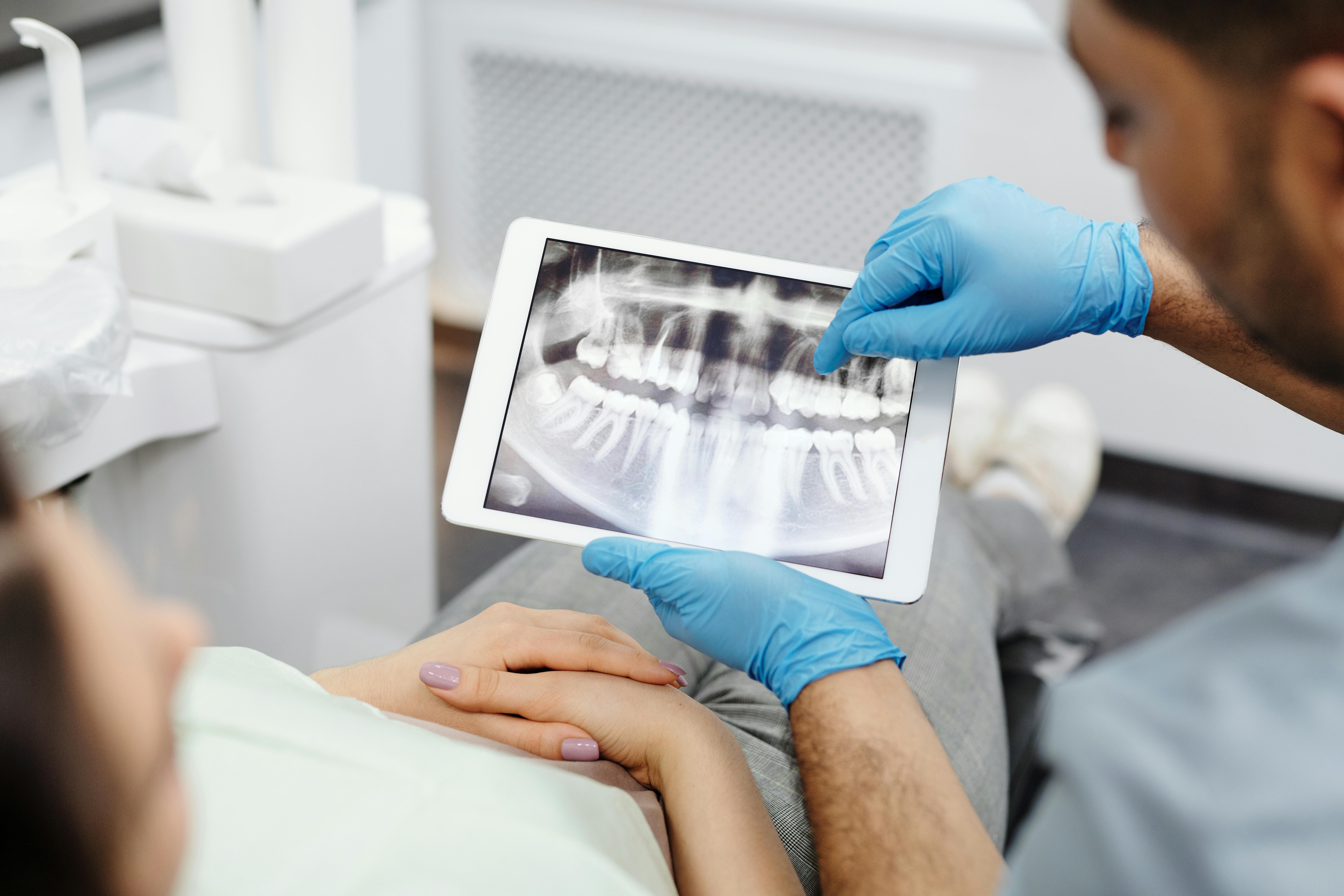
A damaged tooth rarely announces itself at a convenient time. It cracks on a weekend, breaks around an old filling before a work presentation, or starts aching halfway through dinner. In a city like Los Angeles, where people balance demanding schedules, long commutes, and constant face-to-face interaction, restoring a tooth quickly and predictably matters for more than comfort alone. It affects eating, speech, appearance, and confidence.
That is where crowns earn their place in modern dentistry. A well-made dental crown does not simply cover a problem. It rebuilds structure, protects weakened enamel, and helps a compromised tooth function like part of the natural bite again. When people search for Dental Crowns Los Angeles CA, they are usually not looking for a vague cosmetic upgrade. They want a restoration they can trust under real daily pressure, whether that means coffee on the go, long workdays, or years of chewing on a back molar without thinking twice.
A crown is one of the most practical tools in restorative dentistry, but it is not a one-size-fits-all answer. The best results depend on the condition of the tooth, the material selected, the accuracy of the bite, and the skill involved from diagnosis through final cementation. Patients often hear simple descriptions such as “a cap for the tooth,” and while that is technically true, it does not capture the judgment required to do the job well.
What a dental crown actually does
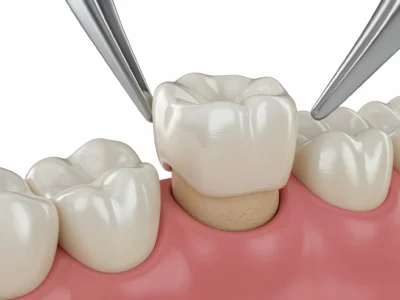
A crown is a full-coverage restoration that fits over a prepared tooth or over a dental implant abutment. On a natural tooth, its purpose is usually structural. The dentist reduces the outside of the damaged tooth enough to create room for a custom restoration, then places a crown that restores shape, contact with neighboring teeth, and proper chewing function.
Crowns solve several different problems at once. They can reinforce a tooth with a large filling that no longer leaves enough healthy enamel behind. They can hold together a cracked tooth that might otherwise split further under bite Dental Crowns Los Angeles CA Dental Crowns Los Angeles CA pressure. They often complete treatment after a root canal, especially on premolars and molars that handle heavy force. They also improve the appearance of teeth that are severely worn, misshapen, or heavily discolored when less invasive options will not hold up.
The key point is that a crown is both protective and reconstructive. Done well, it should not feel bulky or foreign. It should disappear into normal use.
When a crown is the right choice, and when it is not
One of the most common misunderstandings in restorative care is the idea that every damaged tooth needs a crown. In practice, conservative treatment remains the better path whenever the tooth can be predictably restored with less removal of natural structure. Small to moderate cavities may only need a filling. Some teeth do better with an onlay, which covers part of the tooth but preserves more healthy enamel than a full crown. Cosmetic concerns on front teeth may be better treated with bonding or veneers depending on the case.
A crown becomes more compelling when the remaining tooth is already weakened. Large, aging silver fillings are a classic example. Over time, the walls of the tooth around those fillings can become thin and prone to fracture. The person may feel occasional sensitivity when biting, or they may not feel anything at all until a cusp snaps off while chewing.
Cracked teeth are another situation where judgment matters. Not every crack behaves the same way. Some are shallow craze lines that are mostly cosmetic. Others create sharp pain on release when chewing, a sign that the tooth flexes under pressure. In those cases, a crown often works by bracing the tooth and limiting that movement. If the crack extends too far below the gum or through the root, however, a crown may not save it. That distinction usually requires a close exam, imaging, and honest discussion about prognosis.
Why patients in Los Angeles often ask about crown materials first
In Los Angeles, patients often arrive with two priorities that can seem at odds at first. They want the tooth to look natural, and they want it to last. Those goals can absolutely overlap, but they influence material selection.
Front teeth demand lifelike translucency and color blending. Back teeth demand strength under repeated load. Some patients clench during stressful commutes or grind at night without realizing it. Others want metal-free restorations whenever possible. There is no universal best material. There is only the best material for a specific tooth in a specific mouth.
Common crown materials and how they differ
The material conversation usually comes down to function, esthetics, and longevity. In straightforward terms:
- Porcelain or ceramic crowns are popular for their natural appearance, especially in visible areas.
- Zirconia crowns offer strong durability and are often chosen for back teeth or patients with heavy bite forces.
- Porcelain fused to metal crowns combine strength with esthetics, though gumline shadowing can become a concern over time.
- Gold or high noble metal crowns remain excellent in some back-tooth cases because they wear kindly against opposing teeth and can last a very long time.
- E-max and similar lithium disilicate ceramics are often favored where high esthetics and reliable strength need to meet, especially in front and premolar regions.
What matters in daily practice is not material marketing but fit, preparation design, bite balance, and case selection. A beautiful ceramic crown can fail early if the bite is off. A stronger material can still create problems if the margins are rough or if the tooth underneath was not stable to begin with.
The process, from first visit to final bite check
Most crowns are completed in two visits, though same-day systems are available in some offices. The first appointment usually involves diagnosis, imaging if needed, numbing the tooth, removing old decay or weakened filling material, and shaping the tooth so the crown can seat properly. If there is not enough solid tooth structure left, the dentist may build up the core first. In some cases a post is placed inside a root canal treated tooth, but that is more selective than many people assume. A post does not strengthen a tooth by default. It mainly helps retain the buildup when there is too little structure remaining.
After preparation, the office takes an impression or digital scan and records the bite. A temporary crown protects the tooth while the final one is fabricated. This temporary phase tells you more than many patients realize. If the temporary feels too tall, catches floss aggressively, or makes the gum sore, those details can guide refinement before the final crown goes in.
At the delivery visit, the dentist checks the fit at the edges, contact with adjacent teeth, shade if appearance matters, and the way the crown meets the opposing bite. The last point deserves emphasis. Even an excellent laboratory-made crown can become a problem if it hits too hard in one spot. A crown that feels “slightly high” at first can translate into jaw soreness, sensitivity, or even fracture risk over time. Careful adjustment is not a minor finishing step. It is central to long-term comfort.
The difference between same-day crowns and lab-made crowns
Same-day crowns appeal to busy patients, and in the Dental Crowns Los Angeles CA right case they can be very effective. The tooth is prepared, scanned, designed digitally, milled in-office, and placed the same day. For many routine restorations, particularly when anatomy and shade matching are straightforward, this can be a practical and efficient option.
Traditional laboratory-made crowns still offer advantages in more demanding cases. A skilled dental lab technician can layer ceramics with subtle esthetic detail, customize contours, and work with complex bite relationships in ways that matter for front teeth or challenging restorative cases. That extra craftsmanship is not always necessary, but when it is, it shows.
Choosing between the two is less about technology hype and more about whether the case suits the workflow. If someone has a simple fractured molar and limited time, same-day treatment may be ideal. If a front tooth sits next to natural teeth with varied translucency and character, a custom lab-fabricated crown may produce the better result.
How long a crown should last, realistically
Patients often ask for a single number. The honest answer is that crown longevity varies widely. A well-made crown on a stable tooth can last 10 to 15 years or much longer. Some fail earlier because of decay at the margin, fracture, cement washout, aggressive grinding, gum recession, or problems with the underlying tooth that were not obvious at the start.
In practice, the habits around the crown matter almost as much as the crown itself. A person who clenches heavily without a night guard puts restorations under a very different level of stress than someone with a balanced bite and no grinding. A patient with dry mouth from medications faces higher cavity risk around crown margins. Someone who avoids flossing because “it’s crowned anyway” can still develop decay where the crown meets the remaining tooth.
Los Angeles dentists see plenty of crowns that are structurally intact but need replacement because the edges no longer seal as well as they once did, or the gumline has changed enough to expose decay-prone root surface. That is why routine exams matter even when everything feels fine.
Signs a tooth may need a crown soon
Not every problem causes dramatic pain. Many teeth deteriorate quietly until the damage is expensive or difficult to fix. It is worth paying attention to changes such as:
- pain when chewing or releasing pressure
- a large filling with a piece breaking off the side of the tooth
- a root canal treated back tooth that still has only a temporary or direct filling
- repeated fracture of the same tooth or filling
- visible wear that has flattened or chipped the chewing surface
Those signs do not confirm a crown automatically, but they justify a proper evaluation. Waiting too long can close off simpler options.
Cost, value, and what patients should ask
Crown fees in Los Angeles vary by location, material, complexity, technology, and whether additional treatment is needed first. A straightforward crown on a healthy tooth is a different procedure from rebuilding a heavily broken tooth after root canal therapy with gumline decay and little structure left. Insurance may help, but coverage often comes with downgrades, waiting periods, annual maximums, or restrictions on replacement frequency.
The better question is not only “What does the crown cost?” but “What is included in solving this tooth correctly?” If a tooth needs buildup, a night guard, or replacement of decayed structure under an old restoration, those steps affect both cost and outcome. It is also fair to ask what material is being recommended and why, whether the office uses a lab or same-day system, and what happens if the temporary comes loose or the bite feels off after seating.
A useful conversation in a dental office often sounds less like sales and more like engineering. What remains of the tooth? How much force does it carry? Is the tooth alive or root canal treated? Is there enough ferrule, meaning a band of healthy tooth above the gumline, to support the restoration well? Those details drive value more than any generic promise.
Crowns on front teeth versus back teeth
Patients often think of all crowns as essentially the same procedure with different shapes. Clinically, front and back teeth present very different demands.
A front crown lives in a highly visible zone. Tiny differences in translucency, surface texture, brightness, and edge shape matter. Even the way light passes through the incisal edge can separate a natural-looking result from one that seems flat or opaque. Gum symmetry matters too. If the gumline recedes around one front crown, the mismatch becomes obvious quickly.
Back teeth are more about load management. A molar crown has to survive serious force, especially in people who chew ice, grind, or clench during sleep. The contours need to let food clear well and let floss pass with proper resistance, while the chewing anatomy needs to mesh cleanly with the opposing tooth. Too flat, and the bite can feel inefficient. Too steep, and the crown may invite pressure points.
This is why the best crown work rarely comes from a rushed, generic approach. Different teeth fail in different ways, and they need to be rebuilt accordingly.
Aftercare is simple, but not optional
Patients are often relieved to hear that caring for a crown is not complicated. It does not require special rinses, expensive gadgets, or unusual dietary rules once the tooth is fully restored and comfortable. It does require consistency. Brush thoroughly at the gumline. Floss every day, especially around the edges where plaque tends to collect. If you grind, wear the night guard that was recommended. If the crown feels high, call promptly rather than hoping you will “get used to it.”
One of the most preventable problems is recurrent decay at the margin. Crowns do not get cavities, but teeth do, and the tooth-crown junction is where neglect shows up first. I have seen beautifully made crowns replaced years too early because the area around the edge was allowed to trap plaque and soften. I have also seen ordinary-looking crowns last impressively long because the patient kept the surrounding tissues healthy and came in for regular maintenance.
Why experience matters more than marketing
When people compare providers for Dental Crowns Los Angeles CA, websites often emphasize speed, aesthetics, or advanced equipment. Those can be relevant, but they are not the full story. Experience shows up in subtler ways. It shows up in knowing when a crown will save a cracked tooth and when extraction is the more honest recommendation. It shows up in preserving as much sound tooth as possible while still creating enough clearance for durable material. It shows up in checking the bite from multiple angles, not just asking whether it feels “mostly okay.”
A crown is one of those treatments that can appear deceptively routine. Many are straightforward. Some are not. The difference between an average result and a reliable one often comes down to the details patients never see, margin design, moisture control, temporary stability, material selection, and the discipline to make small adjustments before minor issues become major ones.
Special situations that change the treatment plan
Some crown cases call for extra caution. Teeth that have had root canals are a classic example. These teeth can function very well for years, but they are also more brittle and less forgiving of overload. If little tooth structure remains, the prognosis depends heavily on what is left above the gumline. A crown on a badly compromised tooth may still fail if the foundation is poor.
Patients with gum disease present another challenge. If the supporting bone and gums are unstable, placing a crown without first controlling the periodontal condition is shortsighted. The crown may look fine initially, but the tooth itself may continue losing support. Similarly, patients with severe acid erosion or heavy wear often need a broader bite evaluation. Repeatedly crowning individual teeth without addressing the destructive pattern can become a cycle of repair without real prevention.
Even athletes and performers have unique concerns. Someone who wears a mouthguard for contact sports may need contour considerations. A singer or public speaker may be acutely aware of any change in tongue space or edge position on front teeth. These are not fringe issues in Los Angeles. They are part of tailoring treatment to how people actually use their teeth.
What reliable restoration really means
Reliability in dentistry is not perfection. Teeth live in a difficult environment, heat, cold, pressure, acids, bacteria, and years of habits that no restoration can fully erase. Reliable restoration means the treatment fits the real condition of the tooth, respects biology, restores function, and holds up predictably with reasonable care.
For many patients, a crown is the point where a tooth moves from questionable to dependable again. Biting no longer feels tentative. Cold sensitivity settles down. Food stops packing painfully into a broken contact. The person stops chewing on one side without thinking about it. These are practical wins, and they matter far more than flashy terminology.
If you are considering Dental Crowns Los Angeles CA, the most important goal is not simply getting a crown placed. It is understanding why that tooth needs one, what material suits it, how the bite will be managed, and what the long-term outlook looks like in your specific mouth. When those questions are answered carefully, a crown becomes what it should be, a strong, sensible restoration that lets you get back to normal life without giving the tooth a second thought.
Simple Dental Vermont
Address: 8914 S Vermont Ave, Los Angeles, CA 90044
Phone number: +13239493000
FAQ About Dental Crowns Los Angeles CA
How much do crowns cost per tooth?
In the United States, a single dental crown typically costs between $800 and $2,500 per tooth without insurance. The ultimate out-of-pocket price depends heavily on the crown material, the location of the tooth, and whether you have dental insurance coverage.
What is the downside of crowns on teeth?
The primary downside of a dental crown is that the procedure permanently removes natural tooth enamel to shape the tooth for the cap.
Why do dentists push for crowns?
Dentists recommend crowns because a large filling cannot provide enough strength when a tooth loses a major portion of its structure or faces heavy chewing pressure.
Corrections
Spot something wrong? Send it to the desk and it gets fixed in the open.